
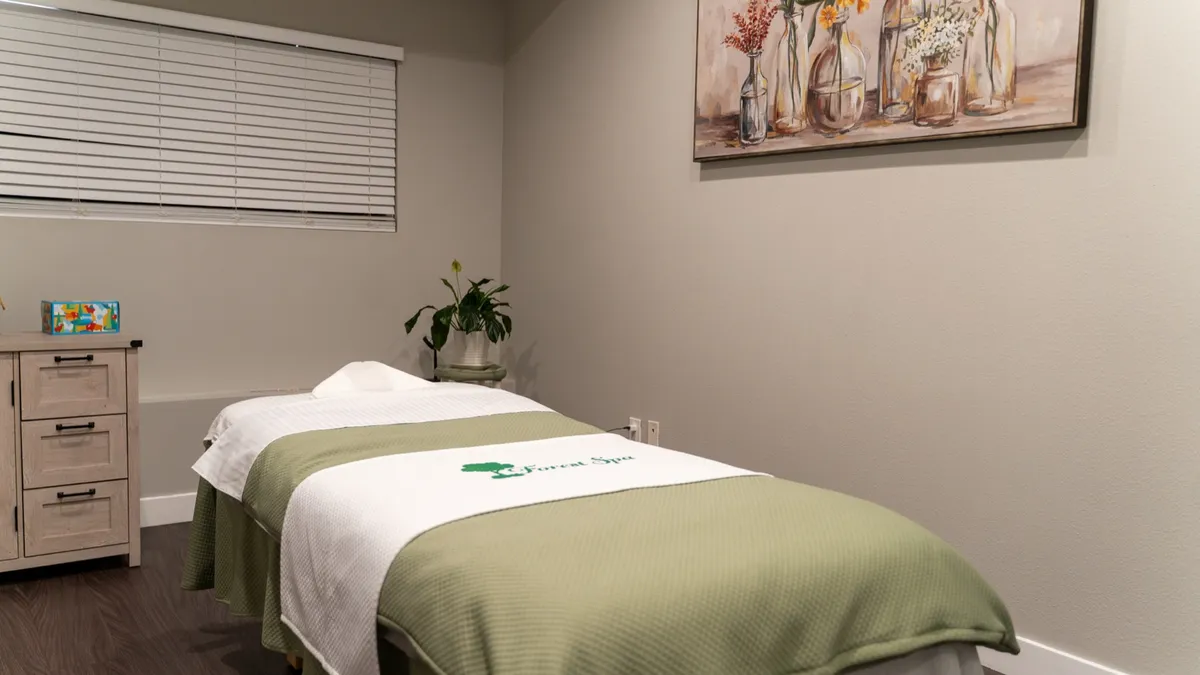
When scheduling an appointment, the choice between Swedish Massage and Deep Tissue Massage is one of the most common questions our guests ask. While both promote wellness and ease physical fatigue, their physiological objectives and tactile experiences are distinctly different.
Choosing the right modality is not a question of which is "better" in the abstract — it is about honoring what your nervous system and musculature need at this exact moment in time.
1. Swedish Massage: The Art of Restorative Calm
Swedish Massage is the foundation of Western therapeutic bodywork. It utilizes long, gliding strokes (effleurage), gentle kneading (petrissage), and circular rhythmic friction moving in the direction of blood flow toward the heart.
The pressure is light to medium, never forcing the body into a defensive reflex. Instead, it invites the sympathetic nervous system ("fight or flight") to downshift into parasympathetic dominance ("rest and digest"). This reduces cortisol levels, improves venous return, and bathes tired tissues in fresh oxygen without inducing post-treatment soreness.
When to Choose Swedish:
Select Swedish if you feel mentally drained, sleep-deprived, or sensitive to firm pressure, or if you want a deeply nurturing session that leaves you feeling tranquil and restored.
Deep Tissue Massage (60–120 min)
Available 7 days a week at our Poway retreat
2. Deep Tissue Massage: Unwinding Chronic Knots
Deep Tissue Massage targets the deeper layers of muscle tissue and the surrounding fascia. When muscles endure repetitive strain or trauma, bands of painful, rigid tissue called adhesions (commonly known as "knots") form.
Therapists use slow, deliberate strokes, focused thumbs, knuckles, and forearms to apply sustained pressure across the grain of the muscle fibers. The goal is to break down these cross-fiber adhesions, lengthen shortened muscles, and restore full range of motion.
When to Choose Deep Tissue:
Choose Deep Tissue if you have persistent postural knots, chronic lower back stiffness, tight athletic legs, or prefer firm, therapeutic pressure that gets straight to the root of tension.
3. Debunking the "No Pain, No Gain" Myth
A common misconception is that effective massage therapy must be excruciating. At Forest Spa, our philosophy emphasizes "good pain" versus "bad pain." A therapeutic release may feel intensely focused, but you should always be able to breathe slowly and deeply through it.
If you find yourself clenching your fists or holding your breath, the pressure is too deep, which causes your muscles to fight back defensively. Our therapists constantly tune their depth to your comfort threshold.
Post-Massage Recovery Best Practices
- Drink plenty of room-temperature water over the next 24 hours to help your kidneys flush metabolic byproducts released during bodywork.
- Soak in a warm Epsom salt bath the evening after deep tissue work to soothe worked muscles and minimize mild stiffness.
- Allow yourself an early night to give your muscles time to rebuild and integrate the postural changes.
Recommended Spa Treatment
Deep Tissue Massage
Firm, deliberate pressure that reaches deep muscular layers to dissolve chronic adhesions and restore pain-free movement.